There is nothing more common to parents than to see their children suddenly erupt, clench their fists, and shed tears afterward. It is common for children to be angry. It’s all about what they learn about anger and how they learn about it.
A world that preaches reaction before reflection makes it all the more essential to teach children to be aware of their emotions. It is here where Jain philosophy has something very precious to offer – not suppressing emotions, but understanding them with awareness, compassion, and control.
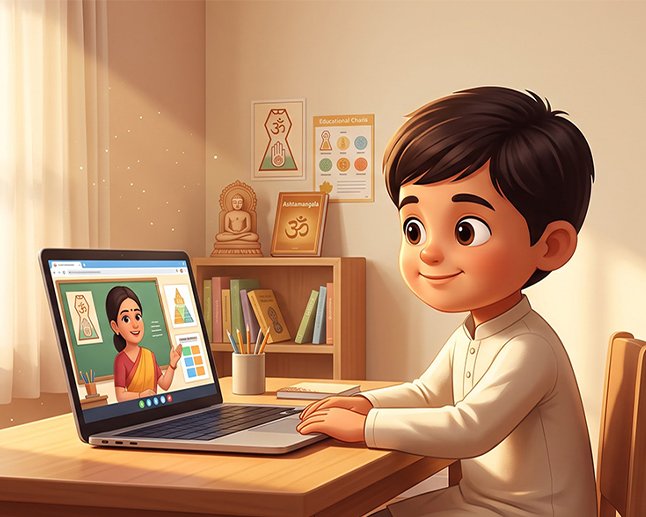
Teaching values is not all that is done at Digital Jain Pathshala . It enables children to feel them and involves concepts in their daily life, such as patience, forgiveness, and self-awareness.
Why Children Struggle With Anger
But first, let’s talk about anger management for children and where it originates.
Children often feel angry when they:
- Have difficulty with communication
- Feel ignored or misunderstood
- Feel frustration or comparison
- Don’t have tools to handle strong feelings
They don’t have the emotional vocabulary to say, “I feel overwhelmed,” as adults do. So it comes out as shouting, crying, or withdrawal.
The objective is not to get rid of anger but to show kids how to deal with it in a constructive way.
The Jain Perspective on Anger
Anger (krodh) is one of the major emotions that disturb inner peace in Jain philosophy. But the focus is on awareness, not punishment.
Children learn:
- Pause before responding
- To see their feelings without judgment
- Knowing the consequences of our deeds
- Choose calmness over impulse
This methodology builds self-regulation , which is much more potent than discipline.
How to Manage Child Anger the Jain Way
1. Teach Pause, Not Reaction
A simple pause can be all it takes. Help your child learn to take a breath before responding when they feel angry. Over time, this little habit creates a gap between feeling and action.
2. Introduce Ahimsa in Daily Life
Ahimsa (non-violence) is not only physical, but also in words and thoughts.
Help your child learn:
- Words can hurt and cause pain
- Kindness is a choice
- Anger is not an excuse for damage
This builds empathy and emotional responsibility over time.
3. Build Emotional Vocabulary
Kids who can identify their emotions are better able to manage them.
Instead of just “angry,” help them identify:
- Frustrated
- Disappointed
- Hurt
- Left out
When they can express their anger clearly, it naturally reduces.
4. Practice Reflection Through Stories
Children don’t learn values from lectures, they learn values from stories.
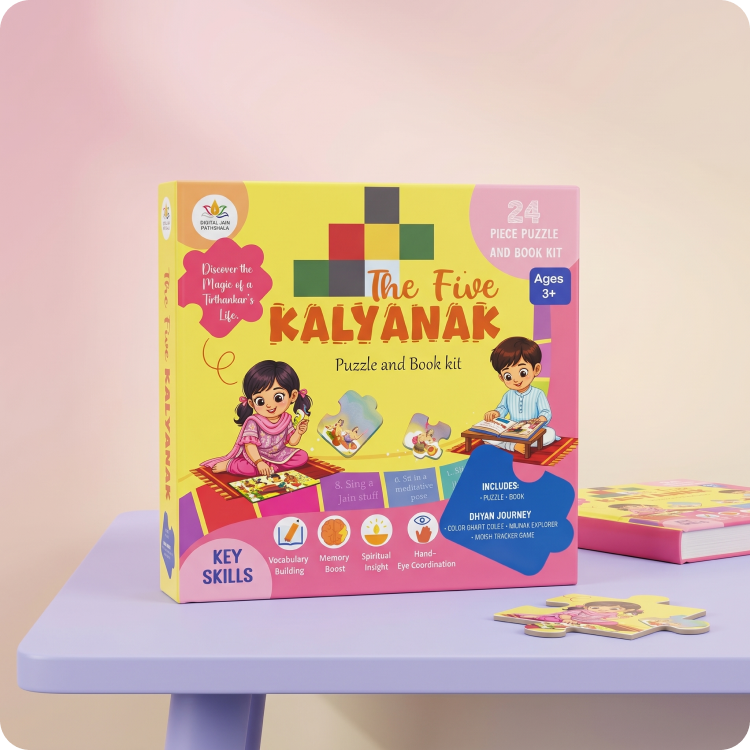
This is where well-designed resources like Set 2 from Digital Jain Pathshala become powerful.
These stories:
- Represent real emotional conflicts
- Show steady decision-making
- Teach children to think before they act
Instead of telling them not to be angry, these stories help them understand why.
5. Encourage Forgiveness (Kshama)
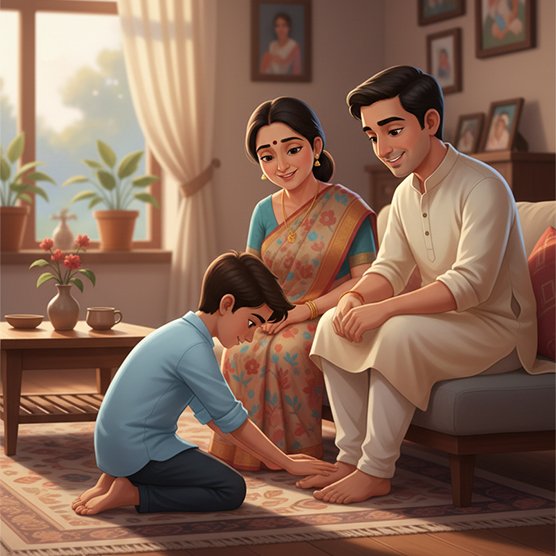
The doctrines of Jainism lay great stress on forgiveness.
Teach your child:
- Anger harms them more than anyone else
- Forgiveness is a sign of strength
- Both apologies and forgiveness are equally significant
It relieves one from emotional stress .
6. Create a Calm Routine
Kids copy what happens around them. When there’s chaos, children will feel unstable emotionally.
Here are some things you could do to help:
- Have a quiet time at night
- Reflect after an argument
- Limit violent TV
Consistency creates emotional security.
Why Storytelling Works Better Than Instructions
If you have ever told your kid to “stay calm” during a meltdown, you know how little this helps.
But if your child watches someone deal with their anger, make mistakes, and react in a different way, they learn something for life.
It’s a big difference.
The benefits of storytelling:
- It’s natural and not artificial
- Creates an emotional bond
- Stimulates critical thinking
- Teaches values without forcing
This is the exact concept behind our Set 2 storybooks!
Signs Your Child Is Learning Emotional Control
With continued practice, you will begin to see some subtle yet profound differences:
- They think before they react.
- They become more adept at expressing their emotions.
- They recover from anger faster.
- They exhibit empathy towards others.
All of these are behavioral changes that happen gradually over time rather than suddenly.
A Gentle Reminder for Parents
It takes time for children to learn how to regulate their emotions. They observe, rehearse, and repeat.
Your job is not to take away the anger from their life, but to help them get to know the anger.
If they think and act according to the Jain values, such as ahimsa, forgiveness, and awareness, it does not mean they will never be angry. They learn how to understand and control it.
FAQs
How should children start to learn anger control?
How many years does it take for children to master emotional regulation?
How can the Jain values be used to control Anger?
Is anger bad for children?
Can storytelling make a difference in emotional behaviour?
How long does it take for children to develop emotional control?
When my child is upset, what should I stay away from?
How can Digital Jain Pathshala benefit my child?
Final Thoughts
Having a calm and emotionally intelligent child does not involve controlling his or her behavior, but rather teaching them.
Children who know what anger is all about, its causes, and how to react to it have this knowledge forever.
Sometimes, it just takes one good story for children to understand such concepts.
Discover more about how valuable stories and the Jain tradition can guide your children along their path to emotional intelligence with Digital Jain Pathshala.