The Game of Virtues, Vices & One
Very Sneaky Rat
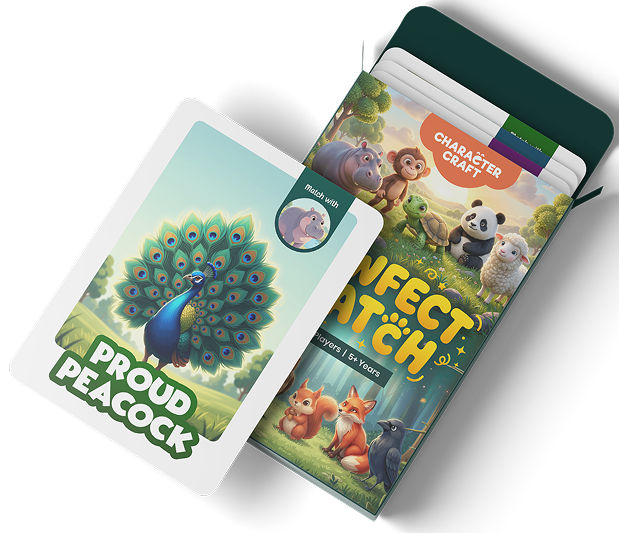
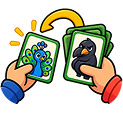
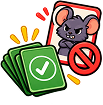
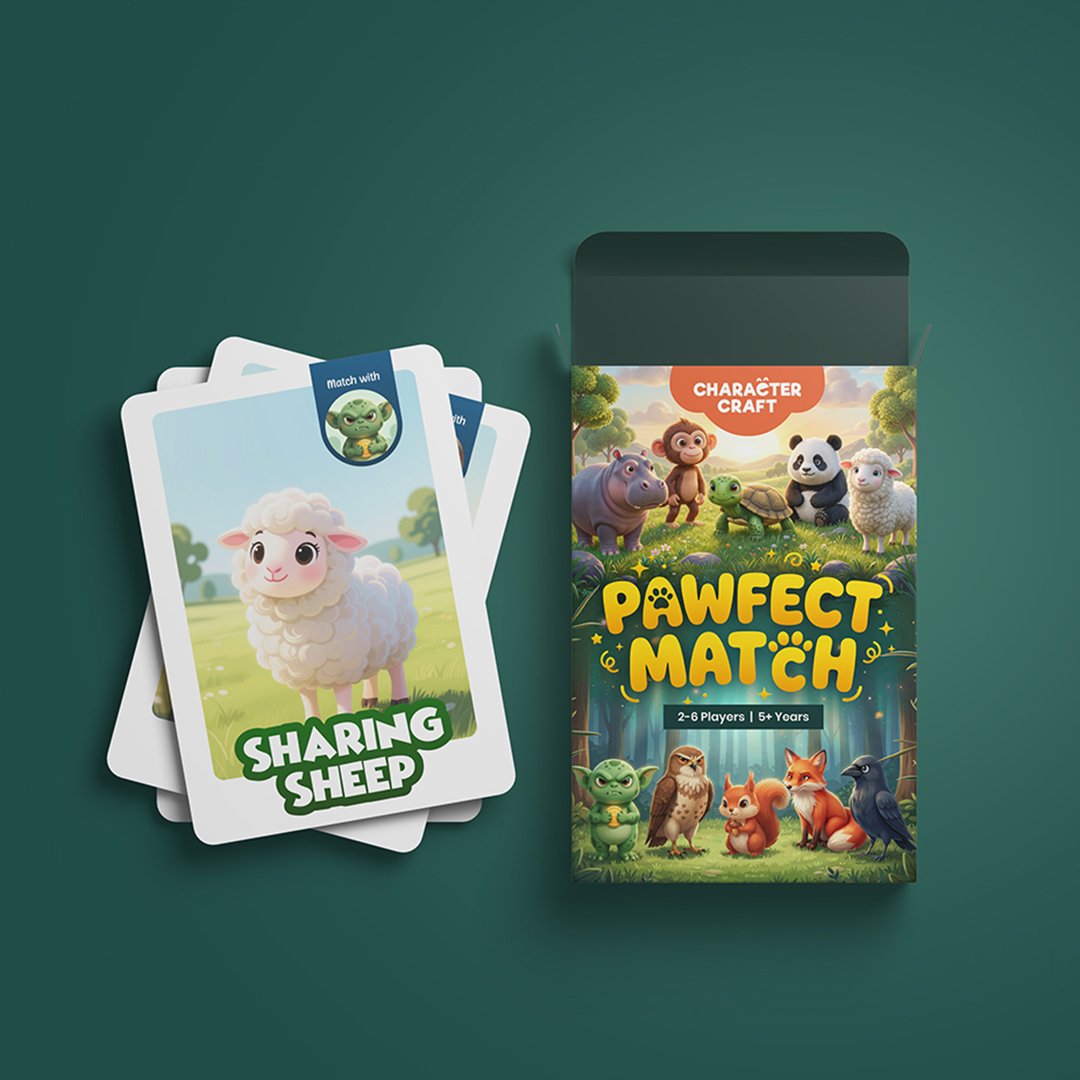
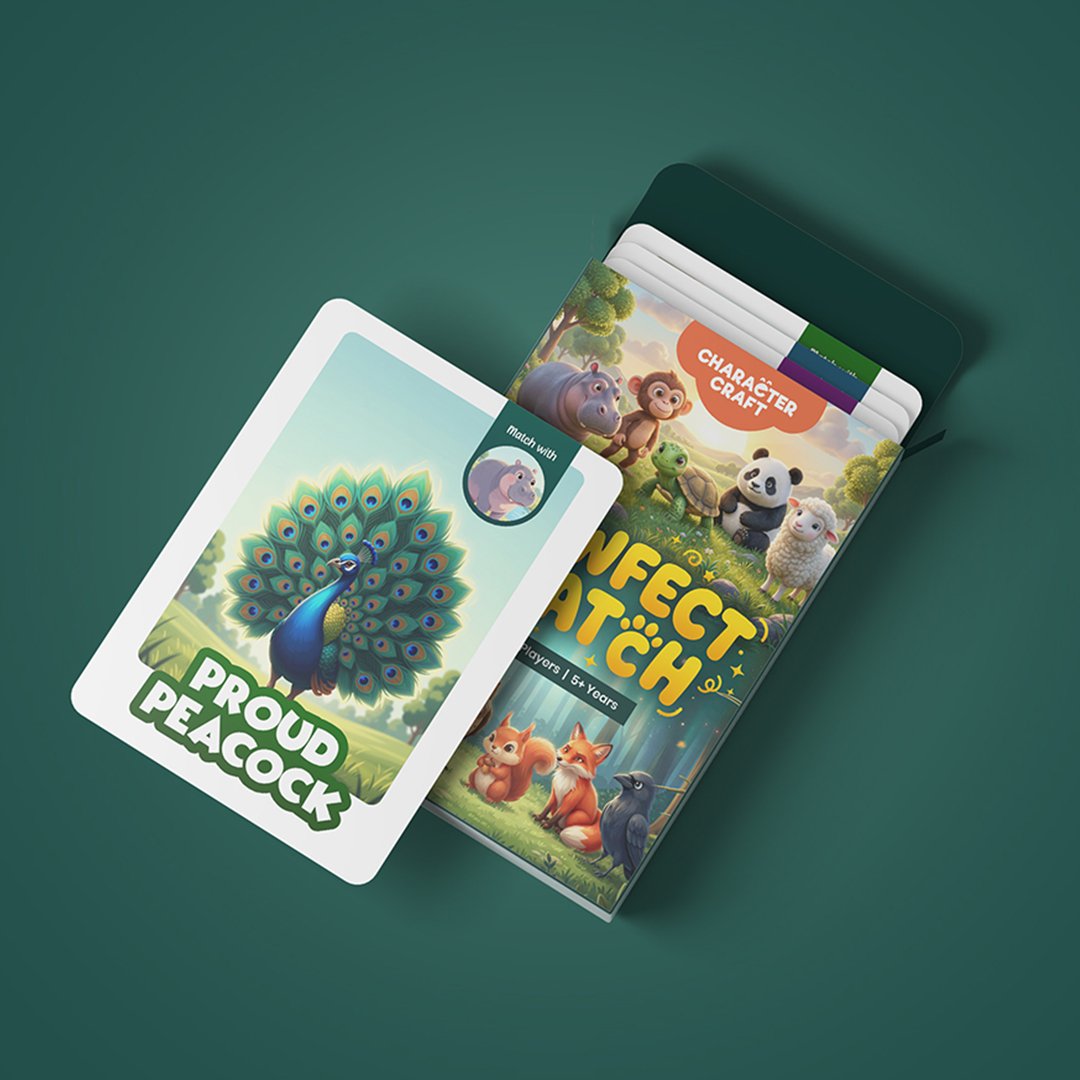
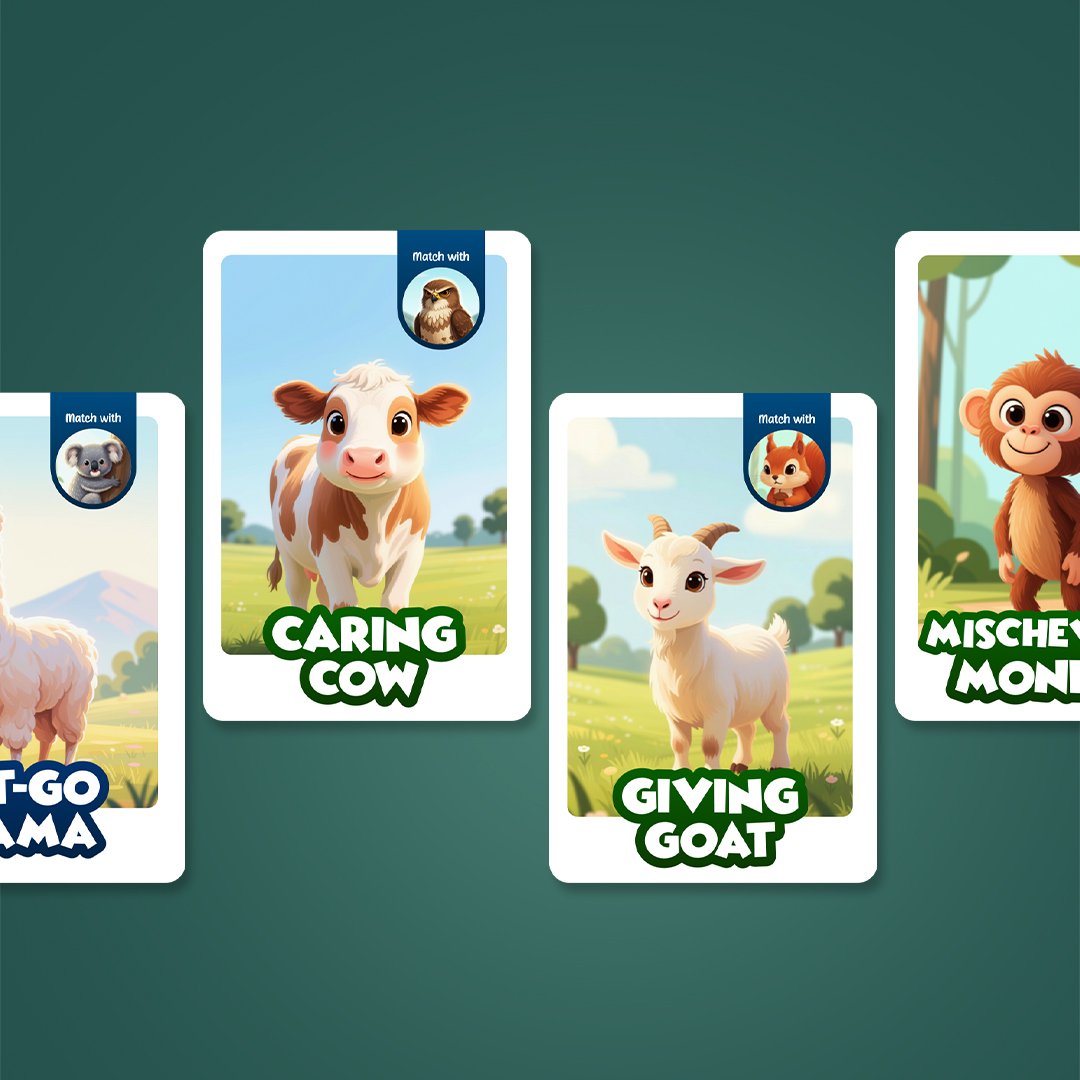
Pawfact Match Cards is a fun family game where players match virtues with vices, make pairs, and learn about character through play.
This game is inspired by the classic Gulaam Chor and transforms value-based learning into a fun activity.





Siya Mehta –
Loved the idea of bringing Jain learning into a game format. It feels modern and child-friendly while keeping the focus on Jain values and knowledge. Simple, meaningful and enjoyable.
Aarav –
These match cards caught my attention because they combine animals with a simple matching activity. My child enjoyed finding the pairs, and it also created an opportunity to talk about animals and values while playing.
Aviraj Jain –
I liked how straightforward the activity is. My child could understand the basic idea without needing a long explanation. It worked well as a short activity when we wanted something simple to do together.
Jinay Shah –
The animal illustrations immediately caught my child’s attention. The cards are visually appealing and the matching format makes it easy to start playing. It is a nice option for keeping children engaged for a little while.
Samkit Vora –
What I liked was that this isn’t something my child has to do completely alone. We started playing together and gradually turned it into a little memory and matching challenge. It made for some good parent-child time.
Aarushi –
I liked the animal pictures and tried to find the matching cards as quickly as I could. Some were easy and some made me think for longer. I liked trying again to see if I could do it faster.
Mahi –
I liked looking at all the different animals first. Then we started matching them. It was simple to learn and I wanted to keep playing.
Samruddhi –
The cards were fun because I had to remember where I had seen the matching animal. Sometimes I forgot and had to turn more cards over. I liked the challenge.
Vihana –
I enjoyed playing this because I like animal pictures. It was easy to start and I could play with my parents. My favourite part was finding a pair after remembering where the other card was.